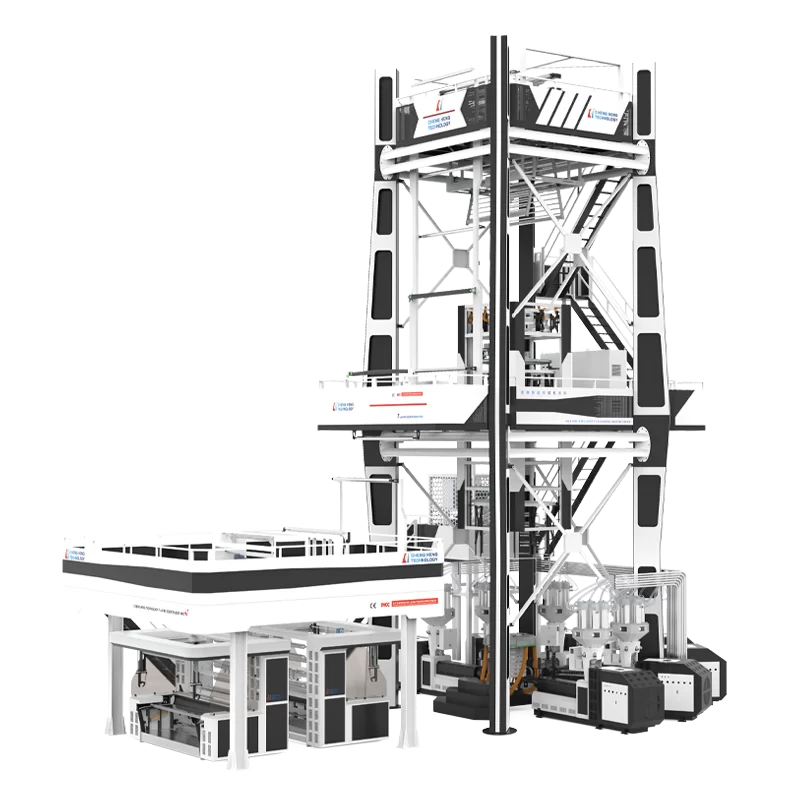
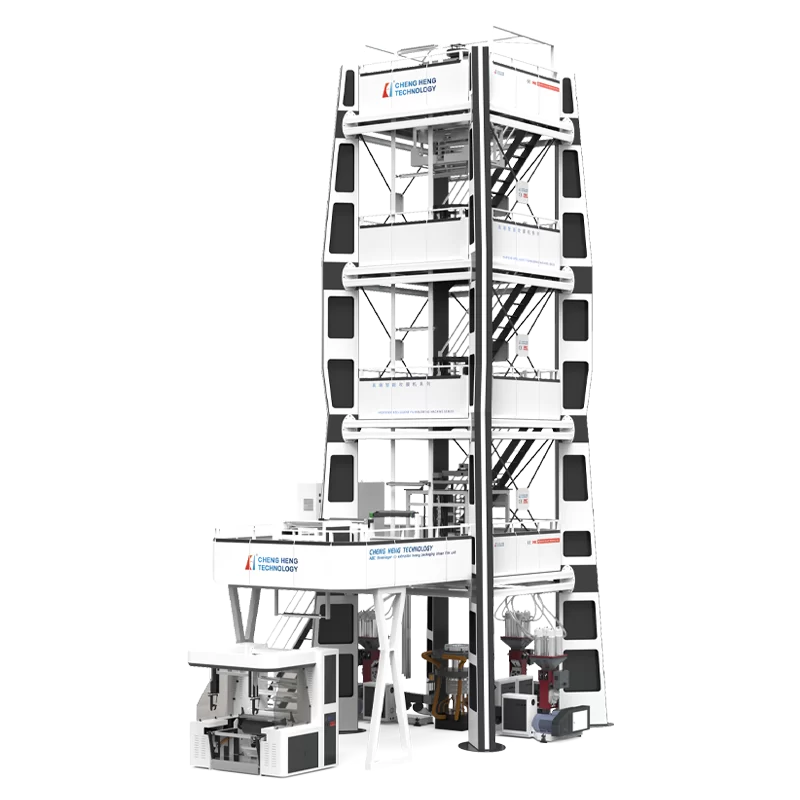
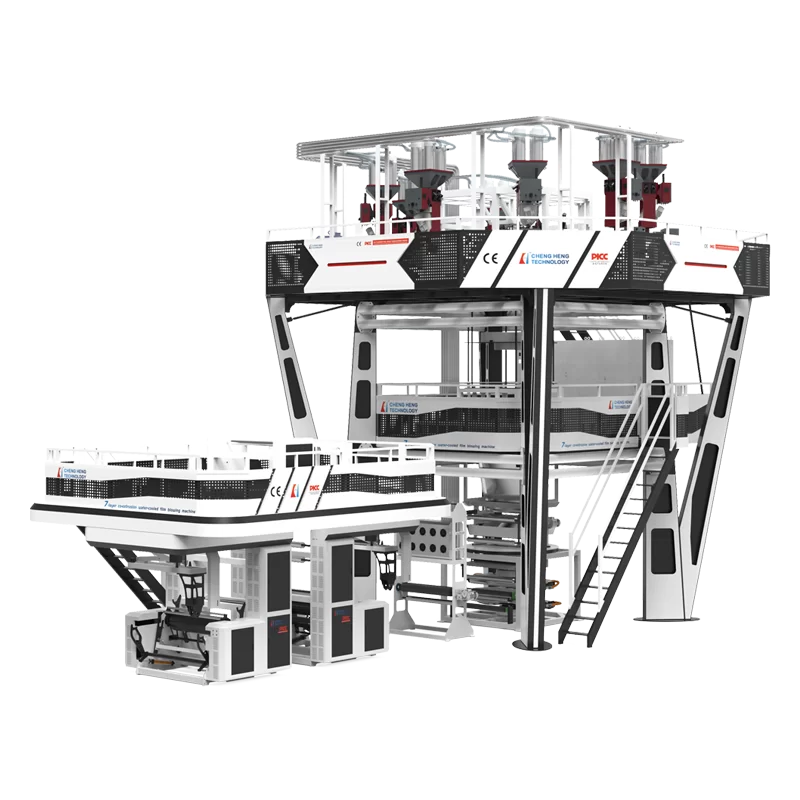
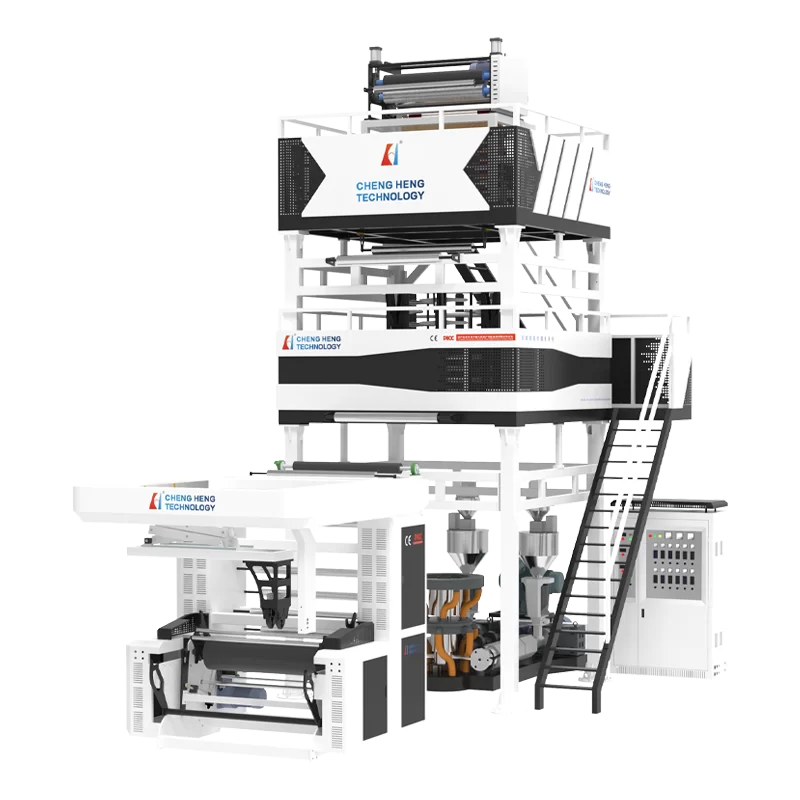
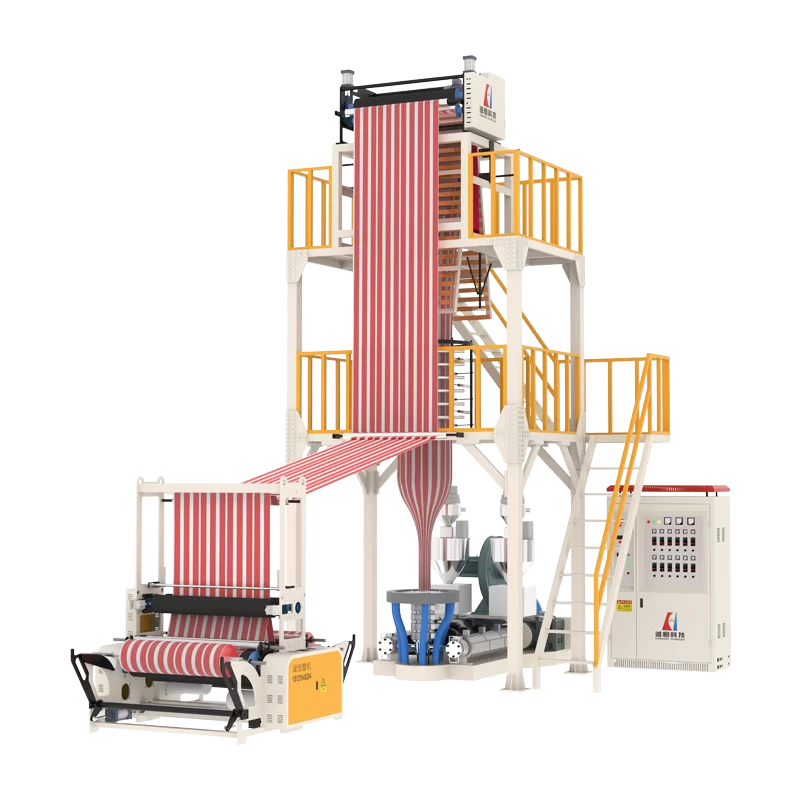
High-Efficiency blown film production line Solutions for Argentina's Plastic Industry

Empowering Argentinian manufacturers with advanced extrusion technology to optimize productivity and reduce material waste in the competitive South American market.

High-Efficiency blown film production line Solutions for Argentina's Plastic Industry

We provide integrated extrusion systems tailored to the specific climatic and industrial requirements of Argentina, ensuring superior film strength and optical clarity.

The Current State of Plastic Film Manufacturing in Argentina

Analyzing the intersection of economic fluctuations and the demand for sustainable packaging in the Southern Cone.

In Argentina, the plastics industry faces a unique challenge: balancing high import costs with a growing demand for high-performance agricultural films and food packaging. Many local factories still rely on aging film blowing machine hardware that struggles with energy efficiency and material consistency during the humid summer months of the Pampas region.

The economic volatility in Argentina has pushed manufacturers toward "lean production." There is a significant shift toward utilizing a more versatile blown film line that can handle both virgin and recycled resins, reducing dependency on expensive imported raw materials and aligning with local circular economy initiatives.

Furthermore, the geographical dispersion of the Argentinian market requires equipment that is robust and easy to maintain. The adoption of a modern blown film extrusion machine is no longer just about speed, but about the precision of thickness control to minimize waste in an environment where resource costs are highly sensitive.
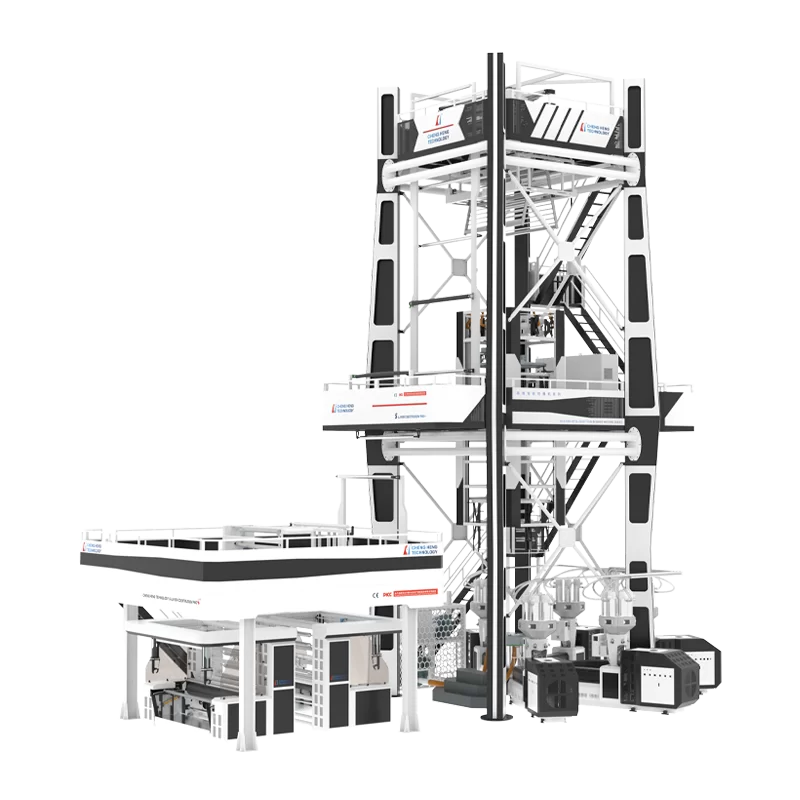
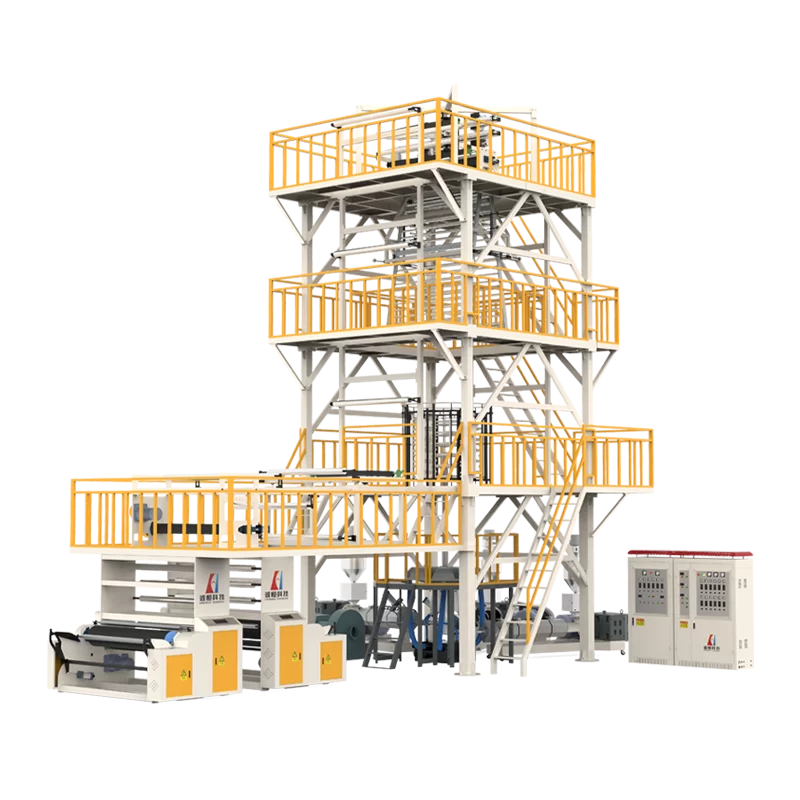
Evolution and Technical Trajectory of Argentinian Film Production

From manual extrusion to the era of Industry 4.0 automation.

Market Development History

During the late 20th century, the Argentinian market was dominated by basic mechanical extrusion systems. These early lown film machine iterations focused solely on volume, often resulting in uneven gauge distribution and high scrap rates.

Between 2005 and 2015, the industry transitioned toward PLC-controlled systems. The introduction of sophisticated air rings and internal bubble cooling allowed producers to increase output speeds and venture into multi-layer co-extrusion, meeting the rising standards of the Argentinian food export sector.

Since 2018, the trajectory has moved toward "Intelligence and Sustainability." Current trends show a rapid integration of servo-motor technology and high-efficiency screws, transforming the traditional blown film production line into a data-driven production center.

Future Development Trends

Integration of Biodegradable Polymers

Driven by environmental regulations in Buenos Aires and beyond, future lines will be optimized for PLA and PBAT resins to replace traditional PE.

IoT-Based Remote Diagnostics

To overcome the logistical challenges of technical support in South America, remote monitoring will become standard for all high-end extrusion equipment.

Ultra-Thin High-Strength Films

The shift toward "down-gauging" will drive the demand for precision-engineered dies that maintain puncture resistance while using 20% less material.

Future Outlook for Argentina's Blown Film Industry

Navigating the transition toward smart manufacturing and ecological responsibility.

Energy Optimization
Implementation of inverter technology to reduce electricity costs in the face of rising energy tariffs in Argentina.
Circular Economy
Advanced degasification systems to allow higher percentages of PCR (Post-Consumer Recycled) plastic in film production.
Precision Control
Automatic gauge control systems to ensure uniform thickness across the entire web, reducing waste.
Material Diversity
Versatile screw designs capable of processing LLDPE, HDPE, and specialized barrier resins for the food industry.

Industry Outlook

Google search trends in the region indicate a surge in queries related to "sustainable packaging Argentina" and "energy-efficient extrusion." This confirms a pivot toward green technology. Manufacturers who invest in a high-performance blown film extrusion machine today will hold a competitive edge in the next 5 years.

We anticipate that the integration of AI-driven process optimization will allow Argentinian factories to reduce setup times and material waste by up to 15%, fundamentally changing the cost structure of the local plastic processing industry.

Localized Application Scenarios in Argentina

Real-world deployments of our extrusion technology across Argentina's key economic sectors.

1. Agricultural Mulch Films for Mendoza Vineyards

Utilizing a specialized blown film line to produce UV-stabilized mulch films that protect high-value crops from extreme temperature fluctuations in the Andean foothills.

2. Heavy-Duty Industrial Liners for Rosario Ports

Deploying high-output blown film production line systems to create puncture-resistant liners used in the transportation of grains and minerals through major logistics hubs.

3. High-Clarity Food Packaging in Buenos Aires

Implementing precision-controlled film blowing machine technology to produce food-grade, high-transparency films for the metropolitan consumer market.

4. Recycled PE Shopping Bags for Local Retail

Using a robust lown film machine optimized for recycled pellets to support Argentina's urban waste reduction goals in retail packaging.

5. Specialized Stretch Films for the Automotive Sector

Applying co-extrusion technology to create high-elasticity wrapping films for automotive parts manufacturing in the Córdoba industrial corridor.

Brand Story

Global Development Journey of Maqi Intelligent Technology Hebei Co., Ltd.

Foundation and Vision

Founded with a mission to bridge the gap between complex extrusion engineering and practical shop-floor operation, solving the pain point of inconsistent film quality.

Technological Breakthrough

Developed proprietary screw and die designs that significantly reduce energy consumption, enabling smaller factories to compete with industrial giants.

Global Expansion

Expanded our footprint into South America, tailoring our equipment to withstand the specific power grid fluctuations and environmental conditions of Argentina.

Commitment to Sustainability

Launched the "Green Extrusion" initiative, focusing on machines that can process 100% biodegradable materials without sacrificing production speed.

Industry Leadership

Now recognized as a premier provider of intelligent plastic processing solutions, helping thousands of clients worldwide optimize their production cycles.

Comprehensive Product Portfolio for the Argentinian Market

From entry-level extrusion units to fully automated high-capacity production lines.

Common Questions for Blown Film Production in Argentina

Expert answers to the most frequent technical and logistical queries from our local clients.

How to choose the right blown film production line for recycled materials?

For recycled materials, you need a line with a high-torque extruder and an advanced venting system to remove volatiles, ensuring the film remains bubble-free and strong.

Can a film blowing machine handle different PE densities on the same line?

Yes, our versatile machines are designed with adjustable temperature zones and screw profiles that allow for switching between HDPE and LDPE with minimal downtime.

What is the typical energy consumption of a modern blown film extrusion machine?

Modern lines utilize AC servo motors and infrared heaters, reducing energy consumption by approximately 20-30% compared to traditional mechanical models.

How do I optimize my blown film line for high-transparency food bags?

Focus on the cooling air ring precision and the melt temperature stability; our high-end lines feature automatic bubble control to ensure perfect clarity.

What maintenance is required for a lown film machine in humid environments?

Regular inspection of electrical cabinets for moisture and lubrication of moving parts are critical. We provide sealed control systems specifically for humid regions.

How long does the installation of a complete blown film production line take?

Typically, installation and commissioning take 7-14 days, including operator training and material testing to ensure the machine meets local specifications.

Ready to Upgrade Your Production?

Contact our technical team today for a customized extrusion solution tailored for the market in Argentina.

Contact Us Now