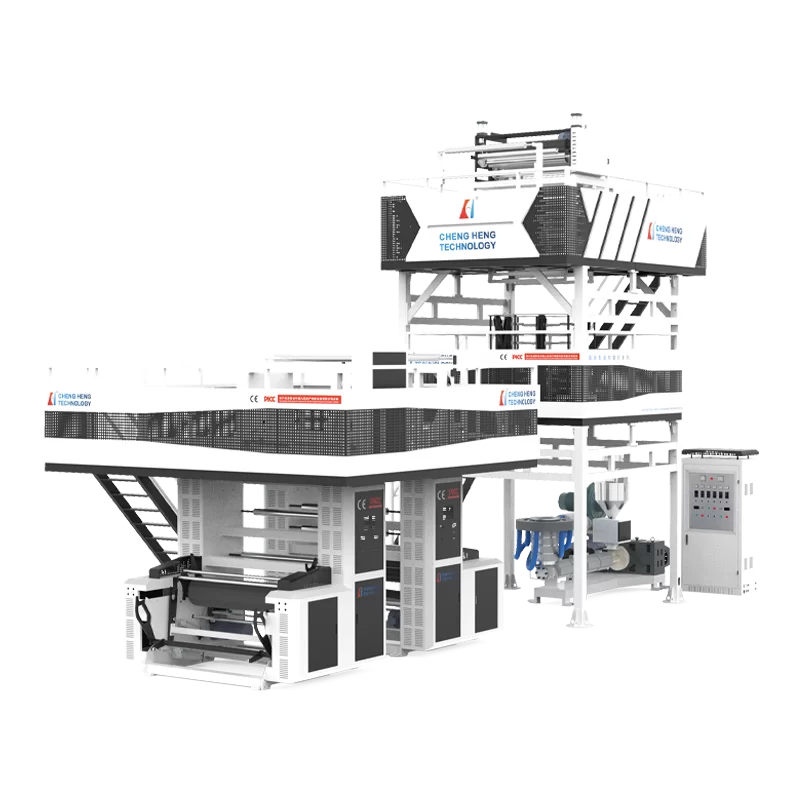
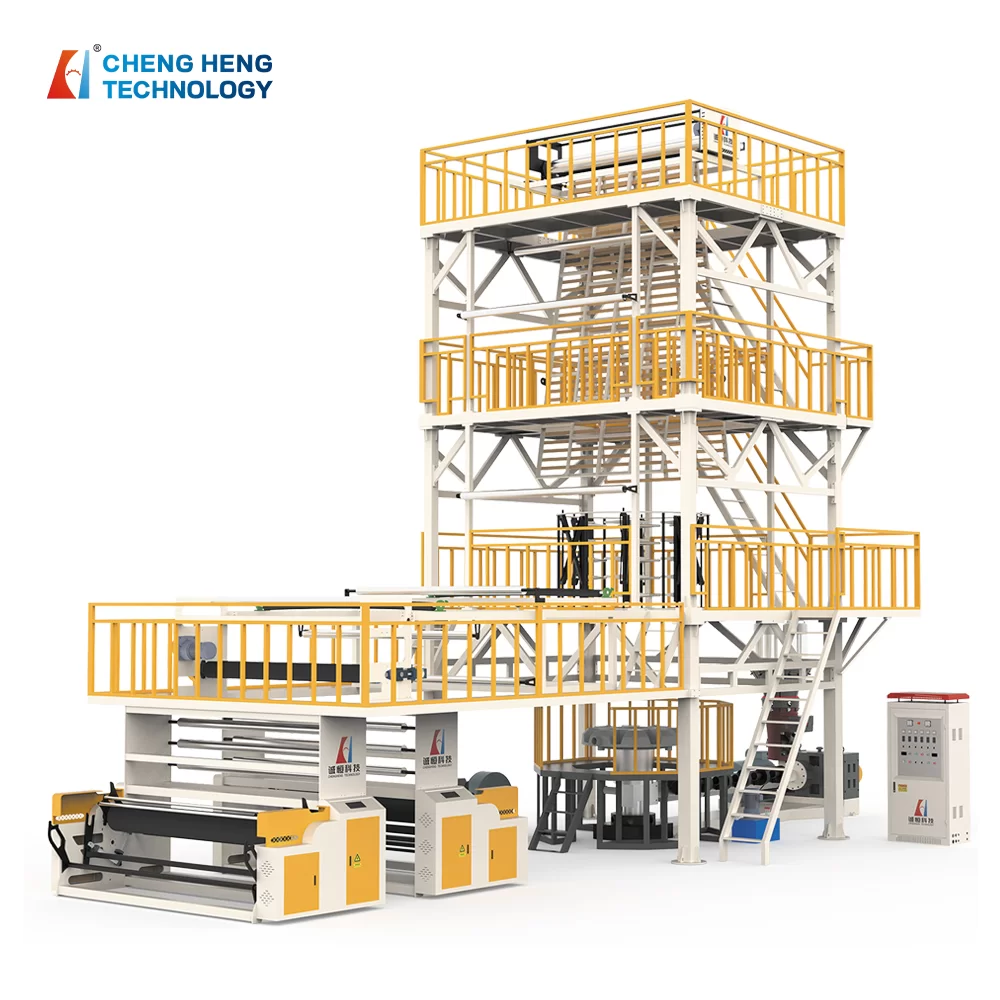
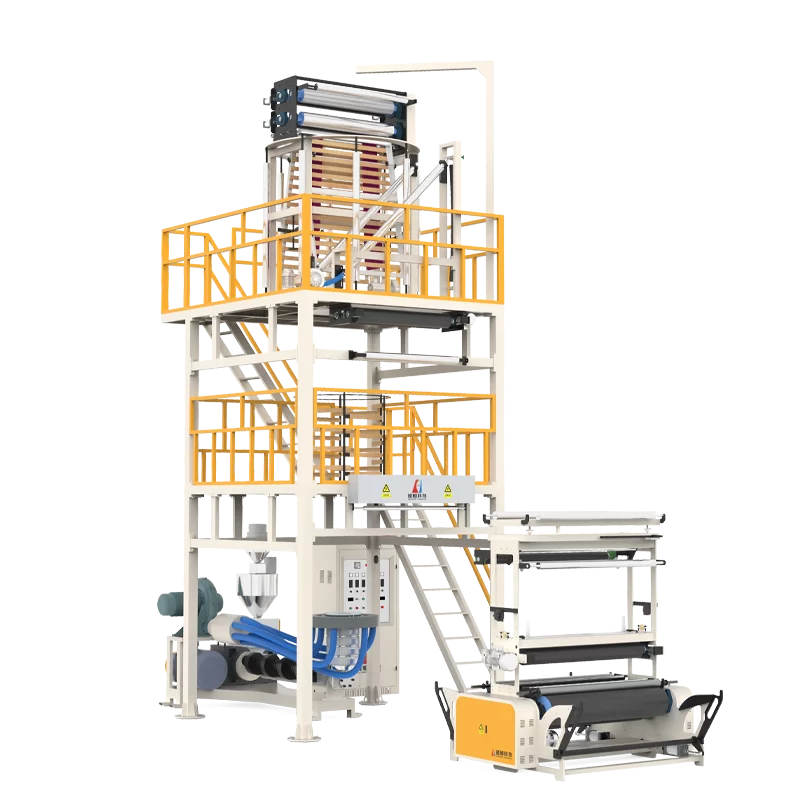
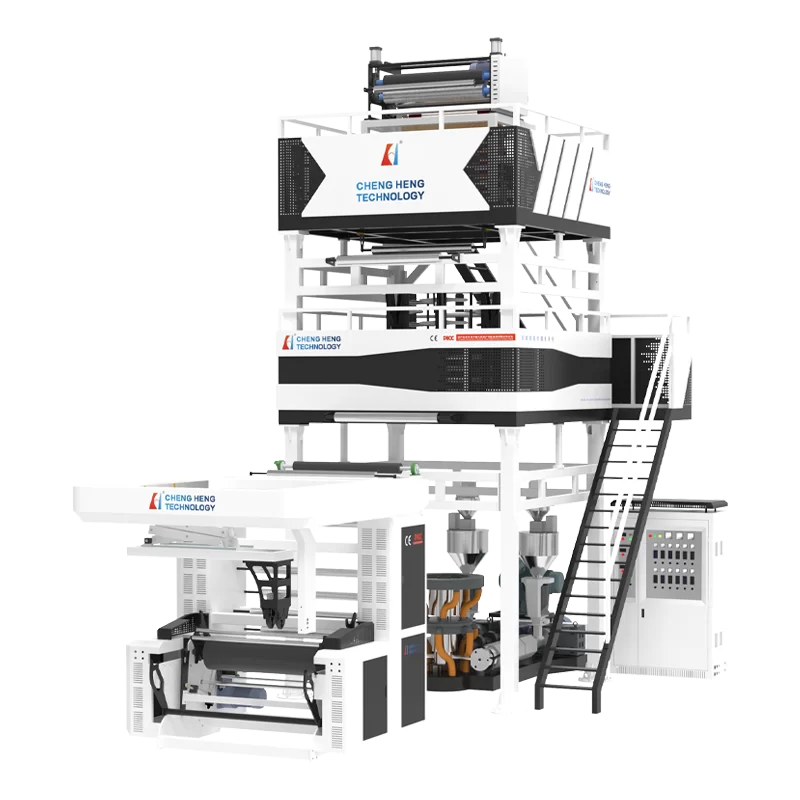
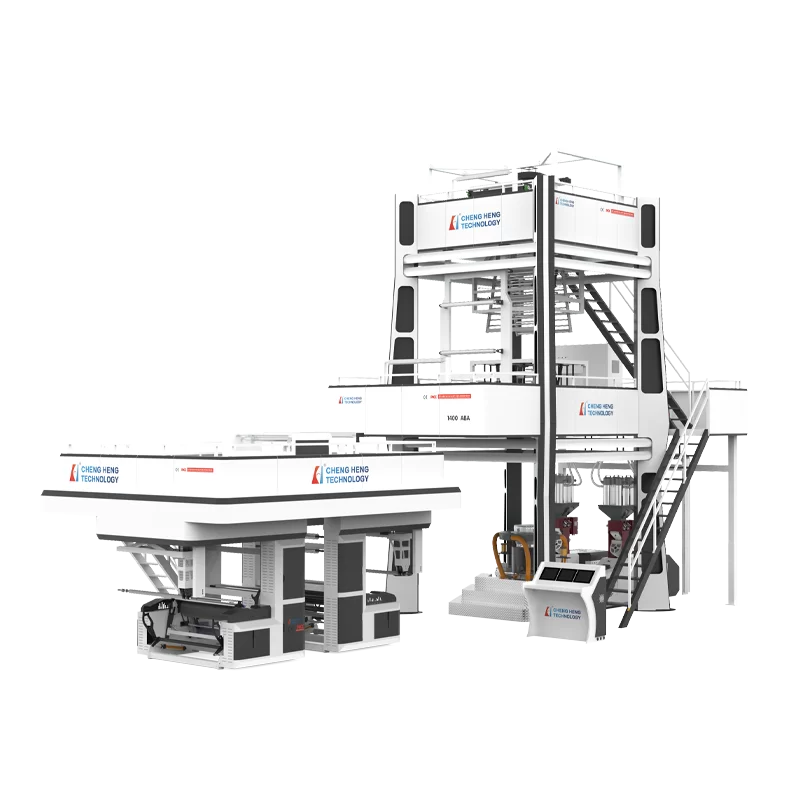
Advanced blown film production line Solutions for Belgium

Engineering high-efficiency plastic processing systems tailored for the Belgian industrial landscape, ensuring precision and sustainability.

Advanced blown film production line Solutions for Belgium

Integrating cutting-edge extrusion technology with localized Belgian manufacturing standards to optimize output and reduce material waste.

The Landscape of Plastic Processing in Belgium

Analyzing the current state of the Belgian film extrusion market.

Belgium serves as a strategic logistical hub in Europe, where the demand for high-quality packaging is driven by its robust chemical industry and food export sectors. Currently, the adoption of a professional film blowing machine is critical for local manufacturers to meet the strict EU plastic directives regarding thickness and recyclability.

Environmental regulations in Belgium are among the most stringent in the world. This has pushed the market away from traditional single-use plastics toward biodegradable and PCR (Post-Consumer Recycled) materials, requiring a blown film extrusion machine that can handle inconsistent recycled resin viscosities without compromising bubble stability.

The Belgian market is characterized by a preference for automation and energy efficiency. Industrial zones in Flanders and Wallonia are increasingly upgrading their facilities to include an integrated blown film line that reduces manual intervention and aligns with the region's high labor costs.
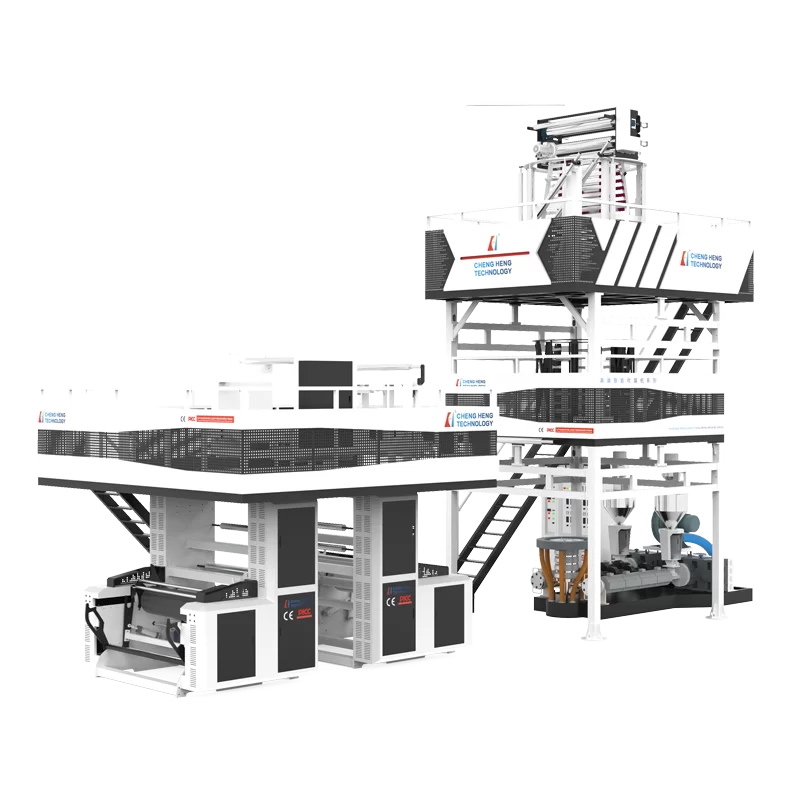
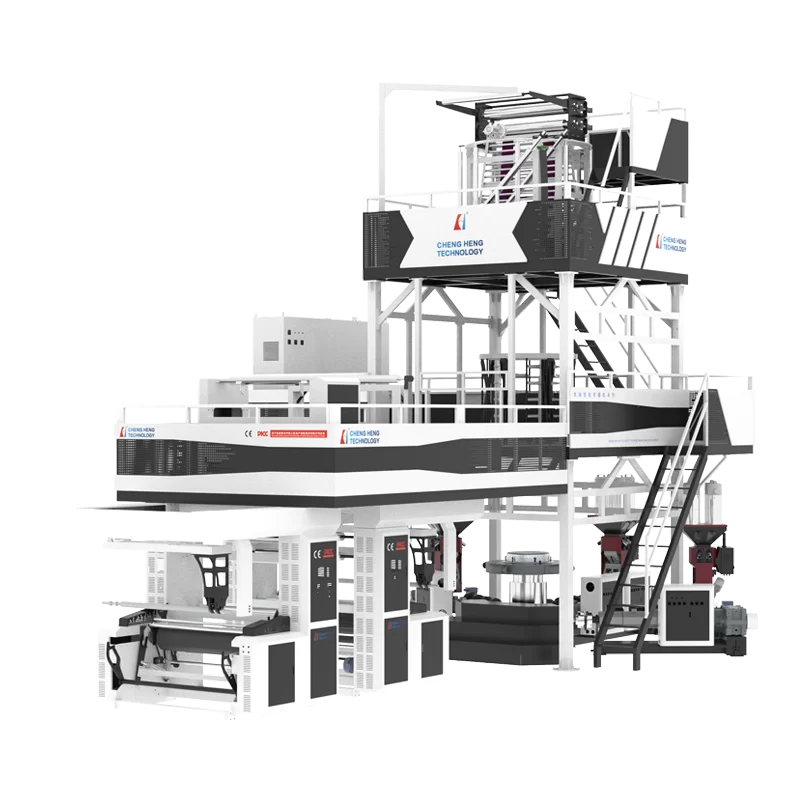
Evolution and Trajectory of Film Production

From mechanical simplicity to intelligent automation in Belgian factories.

Market Development History

In the late 20th century, the Belgian industry relied on basic manual lown film machine systems that focused solely on volume. These early iterations lacked precise temperature control, leading to significant variance in film gauge.

Between 2005 and 2015, the transition toward PLC-controlled systems began. Manufacturers started integrating multi-layer co-extrusion, allowing the production of barrier films essential for Belgium's pharmaceutical and gourmet food packaging industries.

By 2020, the focus shifted toward "Industry 4.0." The modern blown film production line now incorporates IoT sensors and real-time analytics to monitor bubble oscillation and melt pressure automatically.

Future Development Trends

Biodegradable Polymer Optimization

Future systems will prioritize the seamless processing of PLA and PBAT materials to comply with the "Green Deal" initiatives across Belgium.

AI-Driven Gauge Control

We expect the integration of AI that predicts film thickness deviations before they occur, drastically reducing scrap rates.

Energy Recovery Systems

Implementation of heat exchange technology to repurpose waste heat from the extrusion barrel back into the facility's heating system.

Industry Trends and Future Outlook

Strategic forecasting for the next 3-5 years of plastic processing.

Circular Economy Integration
Transitioning to machines that can handle 100% recycled content without losing tensile strength.
Ultra-Thin Film Technology
Developing high-strength, low-micron films to minimize total plastic usage per package.
Smart Energy Management
Implementation of variable frequency drives (VFD) to lower power consumption during idling.
Modular Line Architecture
Quick-change die heads and modular extruders to allow rapid switching between product types.

Industry Outlook

Based on European search trends, there is a significant surge in queries regarding "sustainable extrusion" and "low-carbon manufacturing" in the Benelux region. This indicates that the next generation of the blown film line must prioritize the carbon footprint per kilogram of output.

Furthermore, the integration of digital twins will allow Belgian operators to simulate material flow in a virtual blown film extrusion machine before physical production, eliminating trial-and-error waste and accelerating time-to-market for new packaging designs.

Localized Application Scenarios in Belgium

Real-world deployments of our extrusion technology across Belgian sectors.

1. Gourmet Food Packaging in Antwerp

Utilizing a high-precision film blowing machine to create high-clarity, food-grade LDPE films for the Belgian chocolate and confectionery export market.

2. Agricultural Mulch Films in Flanders

Deploying a heavy-duty blown film production line to produce biodegradable mulch films that support the region's sustainable farming practices.

3. Industrial Shrink Wrap for Logistics Hubs

Implementation of a high-output blown film line to produce durable LLDPE shrink films for the massive logistics centers operating near Brussels.

4. Pharmaceutical Grade Barrier Films

Using a multi-layer blown film extrusion machine to produce specialized medical-grade films with oxygen barrier properties for Belgian biotech firms.

5. Retail Shopping Bags for Urban Centers

Installation of an energy-efficient lown film machine to manufacture recycled HDPE carrier bags for retail chains in Ghent and Liège.

Brand Story

Global Development History of Maqi Intelligent Technology Hebei Co., Ltd.

Foundational Engineering

Established with a mission to solve the instability of film bubbles, we began by perfecting the screw design for early plastic extruders.

Technological Breakthrough

Developed a proprietary heat-distribution system that eliminated "cold spots" in the die, ensuring perfect thickness across all film widths.

European Market Entry

Expanded into the EU market, adapting our machines to meet CE certifications and the rigorous energy efficiency standards of Western Europe.

Sustainable Innovation

Launched the first series of extruders specifically optimized for 100% biodegradable resins, supporting the global shift toward eco-friendly packaging.

Intelligent Future

Now leading the industry with AI-integrated control systems that allow remote monitoring and predictive maintenance for global clients.

Frequently Asked Questions in Belgium

Expert answers to common technical and regulatory queries.

How does your blown film production line comply with EU recycling laws?

Our lines are engineered to process high percentages of PCR material and are compatible with compostable resins that meet EN 13432 standards.

What is the energy consumption of a modern film blowing machine?

By using high-efficiency heating elements and VFD motors, our machines reduce energy consumption by up to 20% compared to traditional models.

Can a blown film extrusion machine handle multi-layer co-extrusion?

Yes, we offer 3-layer and 5-layer systems that allow you to combine different resins for optimized barrier and strength properties.

What is the typical lead time for a blown film line delivered to Belgium?

Depending on customization, lead times typically range from 8 to 12 weeks, including strict quality testing and pre-shipment inspection.

Do you provide installation support for a lown film machine in Flanders?

We provide full turnkey services, including on-site installation, calibration, and operator training at your facility in Belgium.

How do I maintain gauge consistency in a blown film production line?

We use an automatic air ring control system and precise temperature zoning to ensure uniform wall thickness throughout the bubble.

Optimize Your Production Today

Consult with our experts to find the perfect extrusion solution for your business in Belgium.

Contact Us Now