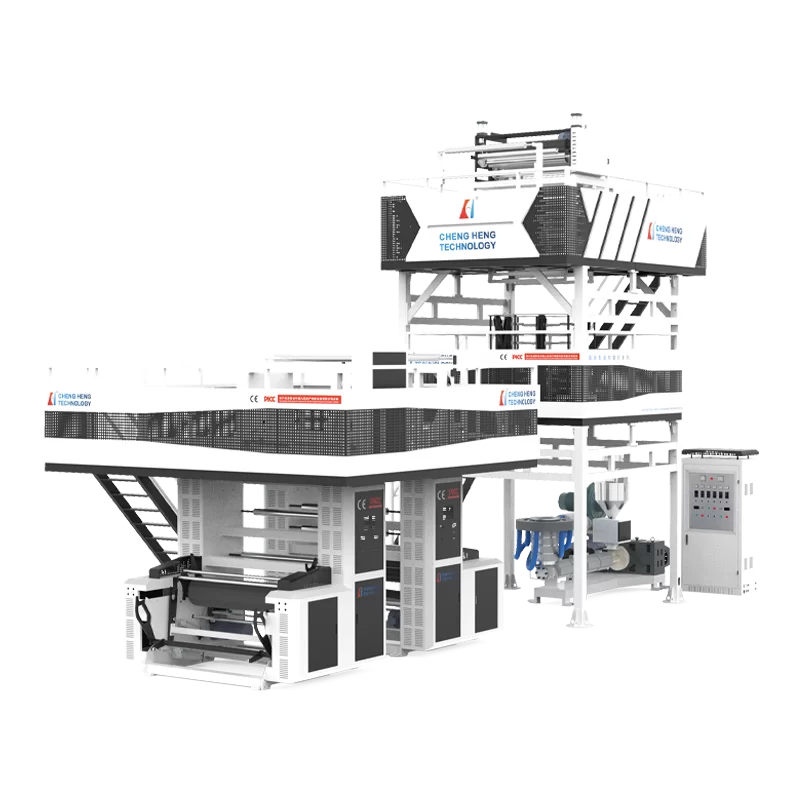
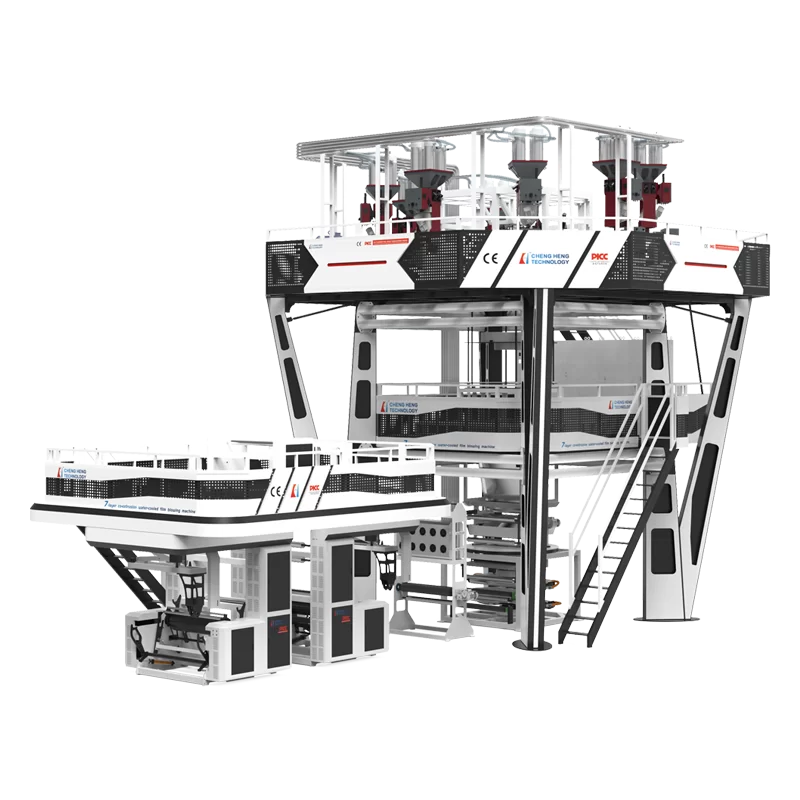
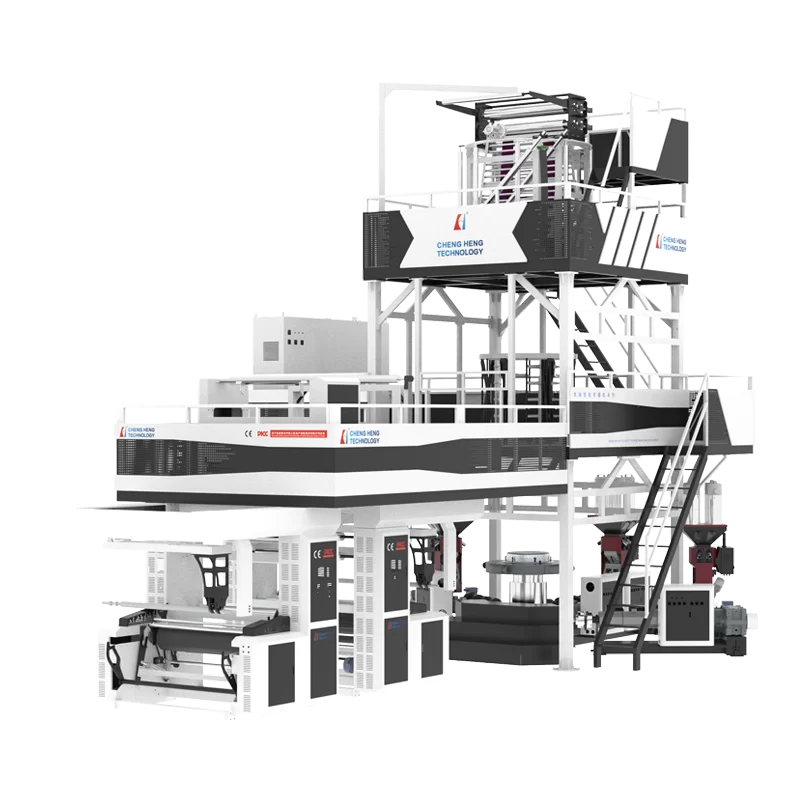
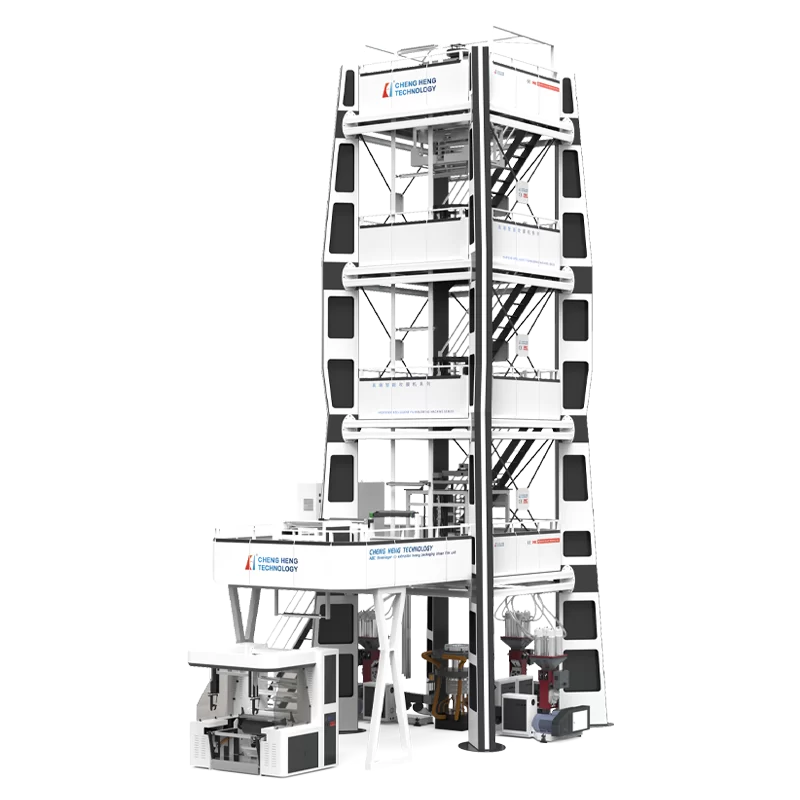
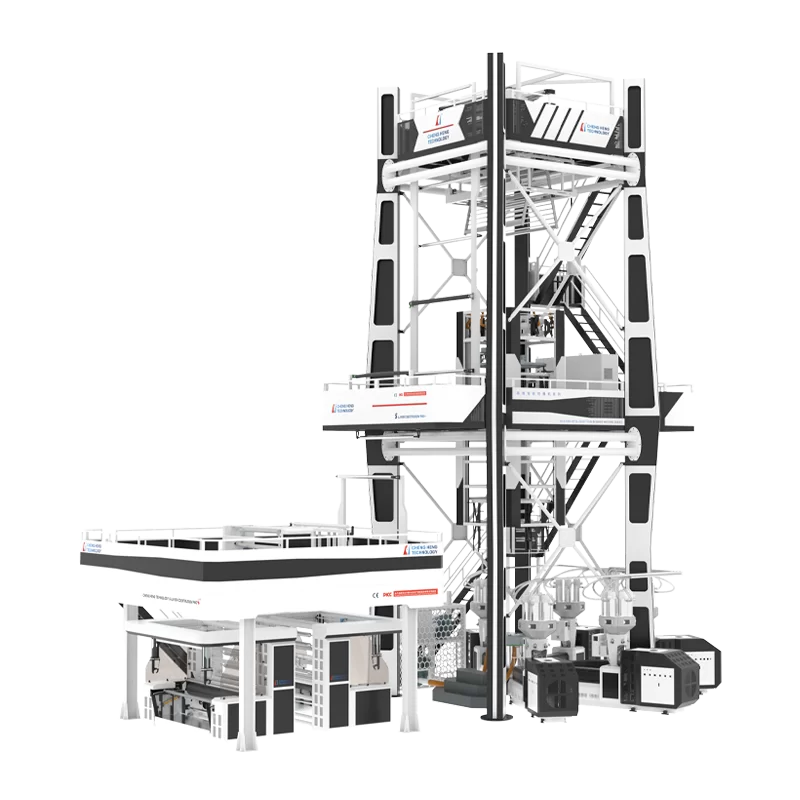
Advanced Blown Film Production Line Solutions for Kenya Market

Empowering Kenyan manufacturers with high-efficiency blown film extrusion machine technology to dominate the East African packaging sector.

Advanced Blown Film Production Line Solutions for Kenya Market

Providing state-of-the-art plastic processing equipment tailored for the unique industrial demands of Kenya, focusing on durability, energy efficiency, and high output.

Plastic Film Manufacturing Landscape in Kenya

Analyzing the current state of blown film production amidst East Africa's economic growth.

Kenya's manufacturing sector is currently undergoing a significant transition. With the rise of urban consumption in Nairobi and Mombasa, the demand for high-quality packaging has surged. However, local producers often struggle with power instability and the high cost of imported raw materials, making the efficiency of a blown film line critical for maintaining profitability.

The environmental regulatory landscape in Kenya is among the strictest in Africa. The ban on single-use plastics has pushed the industry toward biodegradable materials and recycled LDPE/HDPE. This shift requires a sophisticated film blowing machine capable of handling varied resin viscosities without compromising film strength or clarity.

Currently, there is a noticeable gap between small-scale artisanal workshops and large industrial plants. The market is ripe for the adoption of mid-range, automated blown film production line systems that reduce manual labor and minimize material waste, aligning with Kenya's Vision 2030 industrialization goals.
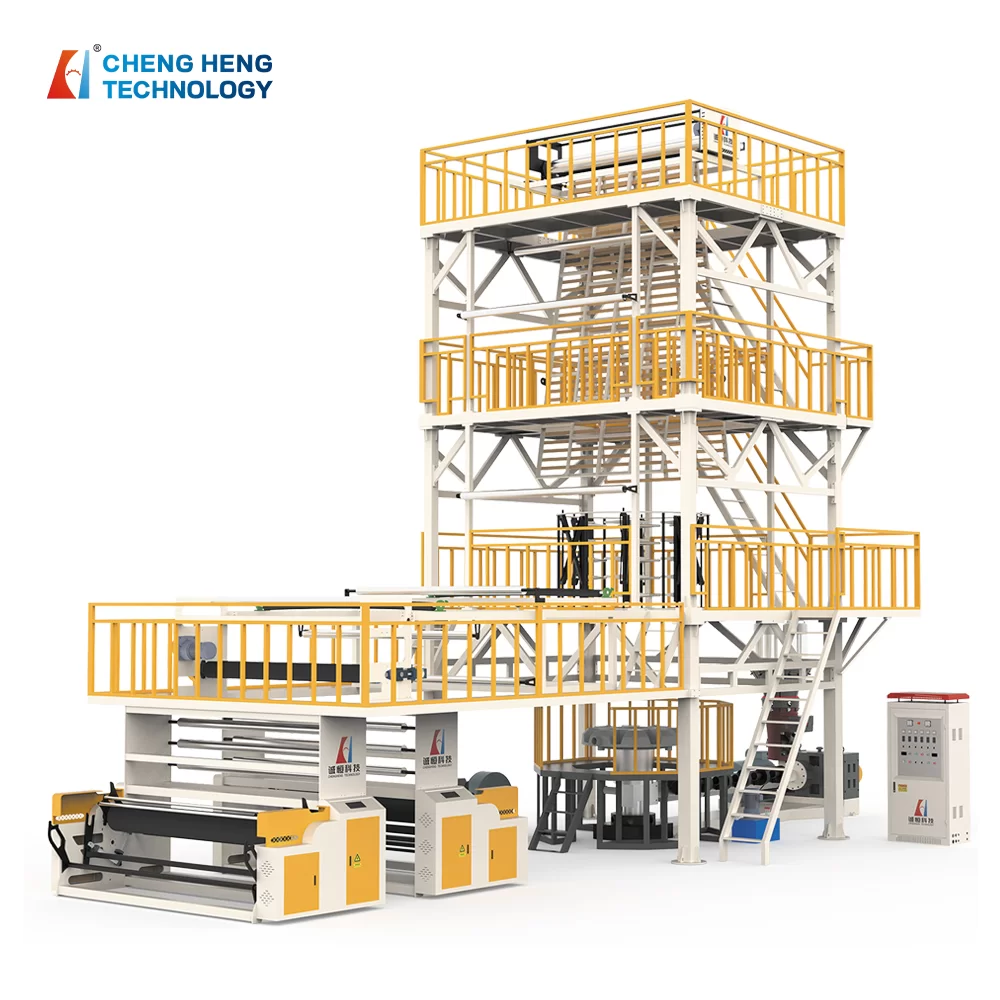
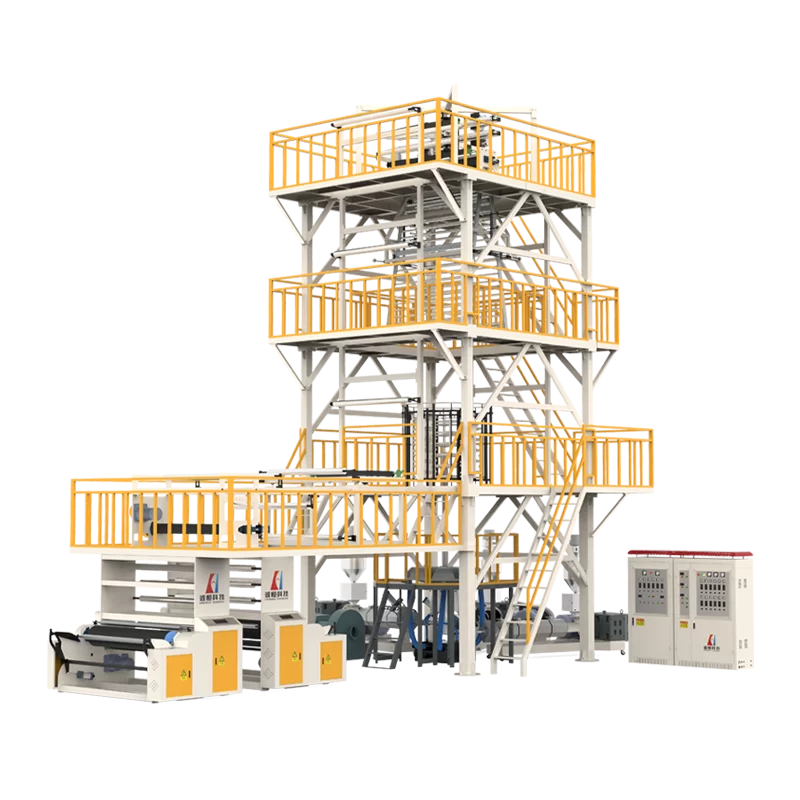
Evolution of Film Extrusion Technology in Kenya

From manual operation to intelligent automation in plastic processing.

Market Development History

In the early 2000s, the Kenyan market relied heavily on second-hand, low-efficiency machinery. These early systems lacked precise temperature control, leading to high scrap rates and inconsistent film thickness, which hindered the competitiveness of local packaging.

Between 2010 and 2018, there was a shift toward imported semi-automatic equipment. The introduction of the first generation of modern lown film machine (low-density) systems allowed manufacturers to produce thinner, stronger bags for the agricultural and retail sectors.

From 2019 to the present, the focus has shifted toward "Green Manufacturing." The integration of PLC controls and energy-saving motors has become standard, allowing Kenyan factories to optimize their blown film extrusion machine setups for sustainable production.

Future Development Trends

Multi-layer Co-extrusion

Increasing demand for barrier films in food packaging will drive the adoption of 3-layer and 5-layer extrusion technologies to improve shelf-life for Kenyan exports.

biodegradable Polymer Integration

As government mandates evolve, machines will be optimized specifically for PLA and PBAT materials to replace traditional polyolefins.

IoT-Driven Remote Monitoring

Integration of cloud-based diagnostics will allow Kenyan operators to receive real-time technical support from global engineers, reducing downtime in remote regions.

Industry Trends and Future Outlook for Kenyan Plastic Manufacturing

Strategic forecasts for the next 3-5 years in the specialized equipment sector.

Energy Efficiency Optimization
Implementation of inverter-driven motors to combat high electricity costs in Nairobi's industrial zones.
Recycled Material Capability
Advanced filtration systems to handle high percentages of post-consumer recycled (PCR) pellets.
Precision Thickness Control
Automatic air-ring adjustment to ensure uniform film gauge, reducing waste and material costs.
Modular Line Expansion
Scalable equipment design allowing Kenyan SMEs to add printing or cutting units as they grow.

Industry Outlook

Based on search trends and economic data, we anticipate a 15% annual increase in demand for specialized blown film line installations in Kenya. This growth is driven by the expansion of the agricultural export market, where high-performance mulch films and greenhouse plastics are becoming essential for crop yield improvement.

The future will belong to manufacturers who can balance high-speed production with ecological responsibility. We expect a surge in the adoption of hybrid machinery that can switch seamlessly between traditional PE and bio-based resins, ensuring that Kenyan businesses remain compliant with evolving environmental laws.

Localized Applications in Kenya

Practical deployment of film blowing technology across key Kenyan industries.

1. Agricultural Mulch Film Production

Deploying high-precision film blowing machine systems to produce UV-stabilized mulch films used by farmers in the Rift Valley to conserve water and suppress weeds.

2. Heavy-Duty Industrial Liners

Utilizing robust blown film production line setups to create thick, puncture-resistant liners for mining and construction projects across Kenya.

3. Retail Packaging for FMCG

Implementing high-speed lown film machine (LDPE) lines to produce high-clarity shopping bags and food wrap for Nairobi's supermarkets.

4. Medical Grade Sterile Packaging

Customizing blown film extrusion machine parameters to produce medical-grade films that meet stringent hygiene standards for healthcare providers in Kenya.

5. Recycled Plastic Upcycling Hubs

Establishing circular economy centers using specialized lines designed specifically to process recycled HDPE flakes into durable garbage bags.

Brand Story

Global Development Journey of Maqi Intelligent Technology Hebei Co., Ltd.

Foundation and Precision Focus

Established with a vision to bridge the gap between complex engineering and user-friendly operation, focusing on the core mechanics of plastic extrusion.

Technological Breakthroughs

Developed proprietary screw and barrel designs that significantly reduce energy consumption while increasing the melt homogeneity of polymers.

Global Market Expansion

Expanded our footprint into the African market, specifically tailoring equipment to withstand volatile power grids and high ambient temperatures.

Commitment to Sustainability

Launched a dedicated R&D line for biodegradable film production, helping global clients transition to eco-friendly manufacturing.

Industry Leadership

Now recognized as a leading provider of intelligent plastic processing solutions, combining AI diagnostics with heavy-duty manufacturing.

Frequently Asked Questions for Kenyan Manufacturers

Expert answers to the most common technical and operational queries.

How to choose the right blown film production line for biodegradable materials?

You need a machine with a specialized screw design for low-shear processing and precise temperature control to prevent the degradation of bio-resins like PLA during extrusion.

Can a blown film extrusion machine handle 100% recycled HDPE?

Yes, provided the machine is equipped with an automatic screen changer and a high-torque gearbox to handle the inconsistencies and contaminants present in recycled pellets.

What is the average energy consumption of a modern film blowing machine?

Modern machines using AC inverter motors can reduce energy consumption by up to 30% compared to traditional DC motors, which is crucial for reducing overhead in Kenya.

How does a lown film machine ensure uniform thickness across the bubble?

Uniformity is achieved through a precision-engineered air ring and a high-quality die head, often supplemented by automatic thickness gauging systems.

What maintenance is required for a blown film line in dusty environments?

Frequent cleaning of the cooling fans, lubrication of the haul-off rollers, and regular inspection of the heating elements are essential to prevent overheating and mechanical wear.

What is the lead time for installing a full blown film production line in Nairobi?

Typical lead times range from 30 to 60 days for manufacturing, followed by shipping and a professional installation period of 7-14 days on-site.

Ready to Upgrade Your Production Capacity?

Get a customized technical consultation for your plastic processing facility in Kenya.

Contact Us Now